
TMJ Therapy
Overview
Jaw pain can make it difficult to eat, sleep, speak, and get through the day comfortably. If you are dealing with jaw soreness, frequent headaches, clicking or popping, or discomfort when chewing, TMJ therapy may help.
At SmileWorx in Vienna, VA, Dr. Olga Spivak evaluates the source of your symptoms and develops a treatment plan focused on reducing strain, improving jaw function, and restoring comfort. Because temporomandibular disorders, often called TMD or TMJ disorders, can have different causes, treatment begins with a careful diagnosis rather than a one-size-fits-all solution.
How Is TMJ Pain Diagnosed?
Diagnosing TMJ pain starts with understanding your symptoms. Dr. Spivak may ask where you feel discomfort, when it began, what makes it worse, and whether you experience headaches, jaw noises, clenching, or grinding.
During the Exam, We May Evaluate:
- Jaw movement and range of motion
- Clicking, popping, or other joint sounds
- Tenderness in the jaw and surrounding muscles
- Signs of teeth grinding or clenching
- Your teeth and bite
- Possible dental causes of pain
Targeted X-rays may also be used, when appropriate, to help rule out tooth-related problems or to evaluate areas of concern.
Jaw discomfort can involve the joint itself, the surrounding muscles, or a combination of factors. If your symptoms suggest a condition that requires broader medical evaluation, we may recommend working with another healthcare provider.
Our goal is to identify likely contributors to your discomfort and recommend an appropriate, conservative treatment plan.
What Does TMJ Therapy Include?
TMJ therapy often begins with conservative treatments designed to reduce stress on the jaw and surrounding muscles. The right treatment depends on your symptoms, exam findings, and the suspected cause of your discomfort.
Treatment May Include:
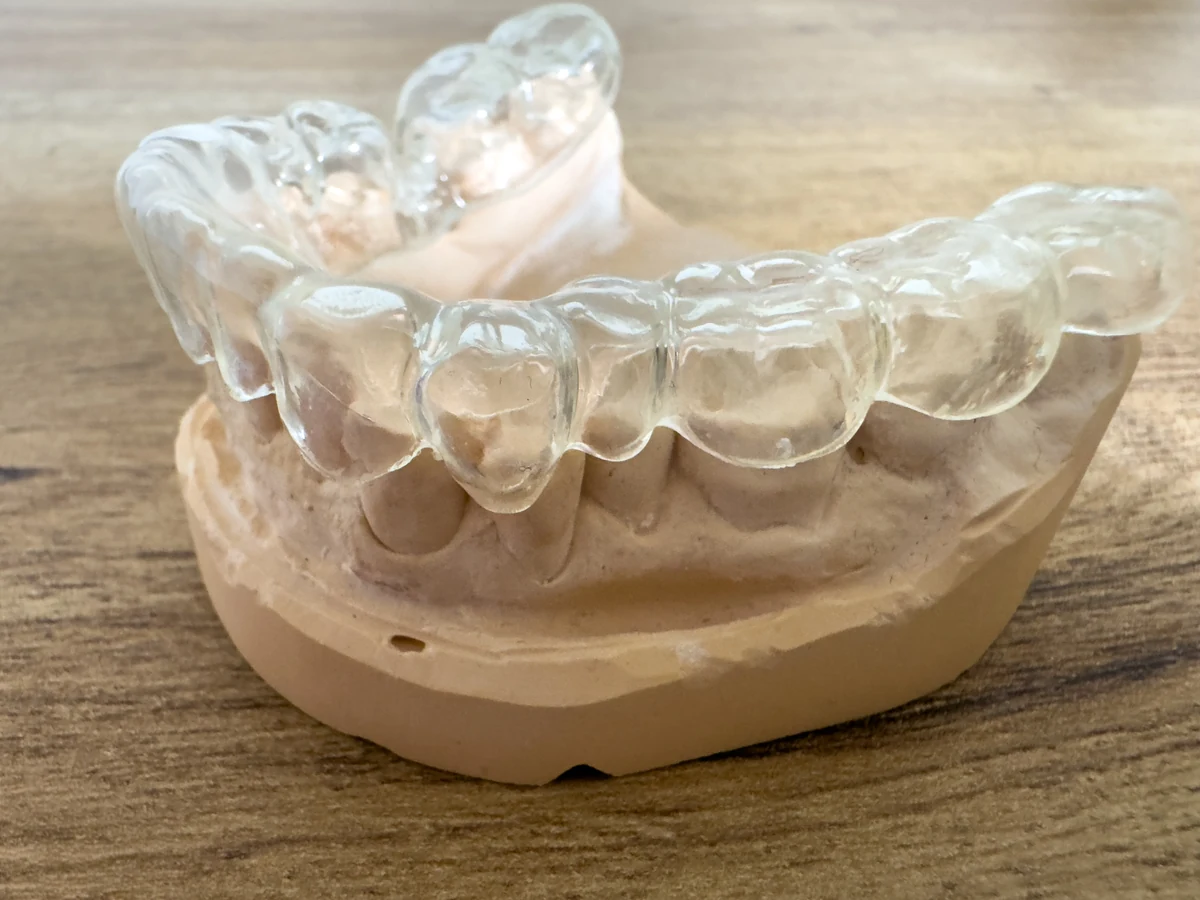
- A custom oral appliance or mouthguard to reduce the effects of grinding and clenching
- At-home exercises designed to relax the jaw muscles and support comfortable movement
- Changes to habits that place unnecessary strain on the jaw
- Referral for physical therapy when muscle function or movement patterns may benefit from additional care
We monitor your progress during follow-up visits and adjust treatment when needed.
Can a Mouthguard Help with TMJ Pain?
For patients who grind or clench their teeth, a custom-fitted mouthguard may help reduce excessive forces placed on the teeth, jaw muscles, and temporomandibular joints.
Unlike over-the-counter appliances, a custom mouthguard is made to fit your teeth and bite. Dr. Spivak can determine whether an oral appliance is appropriate based on your symptoms and examination.
A mouthguard is not the right treatment for every source of jaw pain, which is why an accurate evaluation comes first.
Gentle, Conservative Treatment Options
Whenever appropriate, our approach to TMJ therapy in Vienna, VA, emphasizes conservative care.
Depending on your needs, treatment may involve a custom oral appliance, exercises, changes to daily habits, or referral for physical therapy. In select situations, Dr. Spivak may also evaluate whether specific areas of the bite are contributing to your symptoms.
We avoid unnecessary treatment and do not recommend altering healthy tooth structure without a clear clinical reason. Dr. Spivak explains the purpose of each recommendation so you can understand your options and make informed decisions about your care.
What Should You Expect During a TMJ Appointment?
Your TMJ appointment at SmileWorx is focused on identifying the source of your symptoms and helping you understand your treatment options.
We allow time to examine your jaw, review relevant dental findings or X-rays, and discuss your concerns. If any part of the examination makes you nervous or uncomfortable, tell our team. We can explain each step and adapt the visit whenever possible.
If treatment includes an oral appliance or at-home exercises, we will also explain how to use them and what to expect between visits.
How Long Does TMJ Treatment Take?
The timeline for improvement varies from person to person. It depends on the cause of your symptoms, how long they have been present, their severity, and how consistently you follow your treatment plan.
Long-term Care May Include:
- Wearing a recommended oral appliance as directed
- Performing stretching or relaxation exercises
- Reducing habits that place additional pressure on the jaw
- Attending follow-up visits so progress can be evaluated
If your symptoms change or return, reassessment can help determine whether your treatment plan should be adjusted.
Who May Benefit From TMJ Treatment?
A TMJ Evaluation May Be Appropriate If You Experience Symptoms Such as:
- Morning jaw stiffness or soreness
- Recurring headaches associated with jaw tension
- Clicking or popping accompanied by pain or difficulty moving the jaw
- Pain when chewing or opening your mouth widely
- Tender jaw or facial muscles
- Tooth wear associated with grinding or clenching
Jaw clicking on its own does not always mean treatment is necessary. However, clicking combined with pain, limited movement, or other persistent symptoms should be evaluated.
TMJ-related symptoms can affect teenagers through older adults, and the underlying causes may differ from one person to another. Dr. Spivak evaluates your specific symptoms before recommending treatment.
Frequently Asked Questions About TMJ Therapy
Can TMJ problems cause headaches?
Jaw muscle tension and clenching may contribute to headaches in some people. Because headaches can have many causes, an evaluation is important when symptoms are frequent or persistent.
Does jaw clicking always need treatment?
No. Some people experience clicking or popping without pain or limited jaw function. Treatment may be more appropriate when joint sounds occur with discomfort, restricted movement, or other symptoms.
Can teeth grinding make TMJ symptoms worse?
Grinding and clenching can place additional strain on the teeth, jaw muscles, and temporomandibular joints. If signs of grinding are present, Dr. Spivak can determine whether a custom oral appliance may be appropriate.
When should i see a dentist about jaw pain?
Consider scheduling an evaluation when jaw pain is persistent, interferes with eating or sleeping, limits your ability to open your mouth comfortably, or occurs along with frequent headaches, grinding, or painful joint sounds.
Schedule TMJ Therapy in Vienna, VA
You do not have to ignore persistent jaw pain or allow it to interfere with meals, sleep, and everyday comfort.
At SmileWorx in Vienna, VA, Dr. Olga Spivak and our team can evaluate your symptoms, identify possible causes, and recommend a personalized TMJ therapy approach focused on comfort and healthy jaw function.
Call SmileWorx today or request an appointment online to get started.
Related Services
TMJ Treatment
Personalized care for jaw pain, clicking, headaches, and stiffness.
Trigger Point Therapy
Targeted relief for jaw and facial muscle tension.
BOTOX®
Softens facial lines with a personalized, natural-looking treatment plan.
BOTOX® & Aesthetic Dentistry
Coordinated care for facial lines, clenching, and muscle-related discomfort.