
Sedation Dentistry
Overview
Sedation dentistry uses medication to help patients feel calmer and more comfortable during dental treatment. If dental anxiety has kept you from getting the care you need, sedation may make appointments feel more manageable.
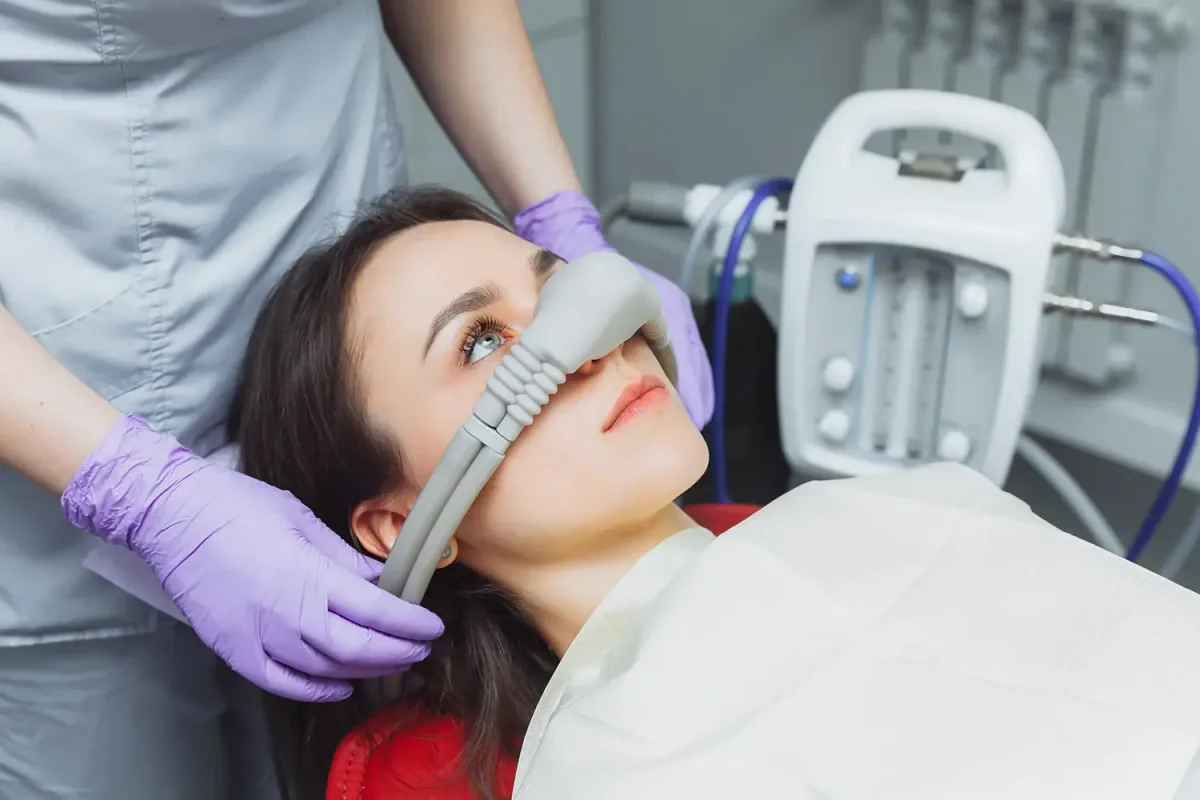
At SmileWorx in Vienna, VA, Dr. Olga Spivak and our team take time to explain your options, answer your questions, and help you understand what to expect. Our goal is to make dental care feel more predictable and comfortable so you can protect your oral health without unnecessary delays.
What Is Sedation Dentistry?
Sedation dentistry can help reduce anxiety and make dental treatment easier for patients who feel nervous, uncomfortable, or overwhelmed in the dental chair.
The type and level of sedation used depend on your health history, the planned treatment, and your individual needs. Before recommending sedation, Dr. Spivak reviews your medical history, current medications, allergies, and any previous reactions to sedation or anesthesia.
Our team also explains the potential benefits and risks so you can make an informed decision about your care.
Who May Benefit From Sedation Dentistry?
Sedation dentistry may be appropriate for patients who have dental anxiety, a strong gag reflex, difficulty remaining comfortable during treatment, or procedures that require an extended appointment.
It May Be Especially Helpful for:
- Patients who postpone or avoid dental care because of fear or past experiences
- People with a strong gag reflex
- Patients who have difficulty sitting comfortably for longer appointments
- People undergoing lengthy or complex dental procedures
Not every patient needs sedation. Dr. Spivak can discuss your concerns and determine whether sedation is appropriate for your planned treatment.
What Happens During a Sedation Dentistry Appointment?
Your appointment begins with a review of your health information, medications, and treatment plan. We explain the recommended level of sedation, what you may experience during the procedure, and what to expect afterward.
During treatment, our clinical team monitors you in accordance with the requirements of the sedation method used. Local anesthesia may also be used to control pain in the area being treated.
After your procedure, we monitor your recovery and provide aftercare instructions before you leave the office. Depending on the type or depth of sedation used, you may need a responsible adult to drive you home and remain with you during the early part of your recovery.
How Should I Prepare for Dental Sedation?
Following your pre-appointment instructions carefully helps support a safe and smooth experience.
Before Your Appointment:
- Follow any eating or drinking instructions provided by our team
- Bring an up-to-date list of your medications, supplements, and allergies
- Tell us about any recent changes in your health
- Arrange transportation if your sedation requires someone else to drive you home
- Plan to rest after your appointment if instructed
Preparation requirements can vary depending on the type of sedation being used, so always follow the instructions provided specifically for your visit.
Is Sedation Dentistry Safe?
Sedation dentistry carries potential risks, just as other medications and medical procedures do. Careful patient screening, appropriate sedation selection, monitoring, and clear recovery instructions are important parts of reducing those risks.
Before treatment, Dr. Spivak reviews your health history and medications to identify factors that may affect sedation. Our team also discusses what you should expect before, during, and after your appointment so you can make an informed decision.
Will I Be Awake During Sedation Dentistry?
Whether you remain fully alert depends on the level of sedation used.
With lighter forms of sedation, patients are generally awake and able to respond while feeling more relaxed. Deeper levels of sedation can cause greater drowsiness and may affect how much you remember about the appointment.
Dr. Spivak will explain the expected effects of the recommended sedation option before treatment begins.
Will Sedation Prevent Dental Pain?
Sedation and pain control serve different purposes. Sedation primarily helps reduce anxiety, awareness, or discomfort associated with the dental experience.
Local anesthesia is commonly used separately to numb the area being treated and control pain during the procedure.
How Long Does It Take to Recover From Dental Sedation?
Recovery time depends on the medication used, the level of sedation, the procedure, and your body's response.
Some lighter forms of sedation wear off relatively quickly, while stronger sedation may affect you for several hours. If your sedation can impair coordination, judgment, or alertness, you will need someone else to drive you home and should follow the activity restrictions provided by our team.
Sedation Dentistry at SmileWorx in Vienna, VA
Dental anxiety should not prevent you from getting important care. At SmileWorx, Dr. Olga Spivak and our team work with patients who feel nervous about dental treatment and provide clear guidance throughout the process.
If fear, discomfort, or a difficult past dental experience has caused you to postpone treatment, schedule a consultation with SmileWorx in Vienna, VA. We can review your health history, discuss your concerns, and determine whether sedation dentistry is an appropriate option for your care.
Call SmileWorx today or request an appointment online to get started.
Related Services
Emergency Dentistry
Urgent care for toothaches, broken teeth, and dental injuries.
Restorative Dentistry
Repair or replace damaged, decayed, worn, or missing teeth.
Wellness Dentistry
A prevention-focused approach to long-term oral health.
Family Dentistry
Comfortable, consistent dental care for children, adults, and seniors.